Showing posts with label sap capm. Show all posts
Utilizing Microservices in SAP CAPM Structure

Utilizing Microservices in SAP CAPM Structure

Sanjo Thomas•03:16:00

In this blog, we will dig into the utilization instance of using microservices inside the SAP CAPM system, upheld by a true model that features the advantages and benefits of this methodology.

If you want to understand more on microservices in BTP, you can visit my previous blog.


Figuring out SAP CAPM Structure

SAP CAPM is a far reaching system that works with the improvement of cloud-based applications, joining information demonstrating, business rationale, and UIs into a solitary coordinated climate. It gives an organized way to deal with building applications with normalized shows and reflections, making the improvement interaction proficient and reliable.


Advantages of Microservices in SAP CAPM


1. Scalability: Microservices engineering permits applications to scale evenly by separating them into more modest, autonomously deployable units. With regards to Drain CAPM, this implies that various parts of the application can be scaled exclusively, guaranteeing ideal asset use.


2. Flexibility and Agility: Microservices empower nimbleness by permitting groups to autonomously work on various pieces of the application. This is particularly helpful in SAP CAPM improvement, where different groups can work simultaneously on information models, business rationale, and UIs without slowing down one another's advancement.


3. Isolation and Resilience: Microservices advance separation between various parts of an application. This disconnection upgrades versatility, as disappointments in a single microservice don't be guaranteed to disturb the whole application. With regards to Drain CAPM, this guarantees that disappointments in a single module don't risk the usefulness of the whole application.


4. Technology Diversity: Microservices consider the utilization of various innovations and programming dialects for various parts. In SAP CAPM, this can be worthwhile while coordinating with different outer administrations or frameworks, as various microservices can involve the most proper innovation for the errand.


Use Case: Online business Application

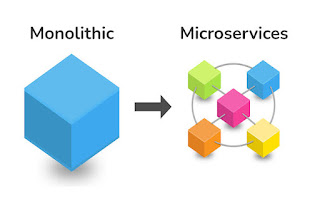
We should consider a guide to outline the utilization instance of microservices in SAP CAPM. Envision an organization fostering an internet business application utilizing the CAPM system. The application comprises of different modules: item inventory, client confirmation, shopping basket, and request handling.


In a customary solid methodology, this multitude of modules would be firmly coupled, making it trying to scale and keep up with the application. Nonetheless, by utilizing microservices inside the SAP CAPM system, the organization can accomplish the accompanying:


1. Independently Foster Modules: Various groups can zero in on creating explicit microservices. For example, one group can deal with the item list microservice, one more on client validation, etc. This paces up improvement and takes into account equal work.


2. Scalability: During top shopping seasons, the request handling microservice can be scaled autonomously to deal with the expanded burden, without influencing different pieces of the application.


3. Ease of Maintenance: In the event that a bug is found in the shopping basket microservice, just that particular microservice should be refreshed, limiting the gamble of potentially negative results across the whole application.


4.Third-party Integrations: Coordinating with installment passages or transportation suppliers can be taken care of by committed microservices, each involving the most appropriate innovation for the errand.


Consolidating microservices inside the SAP CAPM system presents a strong way to deal with current application improvement. The adaptability, versatility, and nimbleness presented by microservices adjust well to the objectives of the CAPM system, bringing about more proficient, strong, and viable applications. As shown by our web based business use case, this approach enables advancement groups to make measured, superior execution arrangements that can adjust to changing business necessities effortlessly. By embracing microservices in SAP CAPM, ventures can situate themselves at the very front of advancement in the always developing scene of cloud-based application improvement.

Read more
Setting Up an App Router in SAP CAPM Project on BTP: A Step-by-Step Guide

Setting Up an App Router in SAP CAPM Project on BTP: A Step-by-Step Guide

Sanjo Thomas•21:05:00

The SAP Cloud Application Programming Model (CAPM) project, hosted on the SAP Business Technology Platform (BTP), provides a powerful framework for developing cloud-based applications. To establish secure communication between applications, the setup of an App Router is essential. In this blog, we will guide you through the step-by-step process of setting up an App Router within the SAP CAPM project on BTP.


Step 1: Create an App Router Module:

1. Access the SAP BTP Cockpit and navigate to your CAPM project.

2. Create a new module for the App Router by selecting the appropriate runtime and providing a name for the module.


Step 2: Configure the App Router:

1. Create a new file called `xs-app.json` within the App Router module.

2. Define routing rules in the `routes` section to specify how incoming requests should be handled. Include the URL path, target destination, and any additional parameters required.


Step 3: Define Destination Services:

1. Access the SAP BTP Cockpit and navigate to your CAPM project.

2. Create a Destination service instance and configure the necessary connection details to backend services or systems you want to communicate with.

3. Specify the URL, authentication method, and any additional parameters required for each destination.


Step 4: Configure App Router Authentication:

1. Determine the authentication method you want to use, such as OAuth, SAML, or JWT.

2. Configure the App Router to handle authentication by specifying the necessary configuration parameters in the `xs-app.json` file.

3. Ensure that the authentication method aligns with the security requirements of your CAPM project and the backend services.


Step 5: Deploy the App Router:

1. Build the App Router module by executing the appropriate commands in the command-line interface (CLI) or using the provided deployment tools.

2. Deploy the App Router module to your SAP BTP environment, ensuring it is properly linked to your CAPM project and any required services.


Step 6: Test and Validate:

1. Access your CAPM project's URL or endpoint to interact with the App Router.

2. Test the routing functionality by making requests to the defined routes and verifying that they are correctly forwarded to the specified destinations.

3. Validate the authentication process by ensuring that only authorized requests are successfully processed.


Step 7: Monitor and Maintain:

1. Regularly monitor the App Router's performance, logs, and security measures to identify any issues or potential vulnerabilities.

2. Keep the App Router and its dependencies up-to-date with the latest patches and updates provided by SAP.

3. Make any necessary adjustments to the routing rules or authentication configuration based on evolving project requirements.


Setting up an App Router within the SAP CAPM project hosted on the SAP BTP is a crucial step in establishing secure and efficient communication between applications. By following the step-by-step guide provided in this blog, you can successfully configure and deploy an App Router, enabling seamless integration and enhanced security within your SAP CAPM project environment.

Read more
Understanding App Router in Sap BTP CAPM Environment

Understanding App Router in Sap BTP CAPM Environment

Sanjo Thomas•20:58:00

In this blog post, we will look into the concept of the App Router and explore its significance within the SAP BTP CAPM project environment.


Understanding the App Router:

The App Router is a key component of the SAP BTP CAPM project, serving as a reverse proxy and authentication middleware. Its primary role is to facilitate secure communication between applications, allowing them to exchange data seamlessly. By acting as a gatekeeper, the App Router ensures that only authorized requests are forwarded to the appropriate backend services.


Key Features and Benefits:

1. Authentication and Authorization: The App Router provides robust authentication and authorization mechanisms, allowing users to securely access CAPM applications. It supports various authentication methods, such as OAuth, SAML, and JWT, ensuring a flexible and secure authentication process.


2. Routing and Load Balancing: With its routing capabilities, the App Router directs incoming requests to the appropriate backend services based on predefined rules. It also offers load balancing functionality, distributing traffic across multiple instances of the same application for improved performance and scalability.


3. Security and Protection: The App Router enhances application security by shielding backend services from direct exposure to the internet. It acts as a protective layer, inspecting and filtering incoming requests to mitigate potential security risks and vulnerabilities.


4. Single Sign-On (SSO): Leveraging the App Router's SSO capabilities, users can seamlessly access multiple applications within the SAP BTP CAPM project ecosystem. Once authenticated, users can navigate between different applications without the need for repeated login prompts.


5. Centralized Configuration: The App Router allows for centralized configuration management, simplifying the setup and maintenance process. It provides a unified approach to define routing rules, security policies, and authentication mechanisms, reducing complexity and ensuring consistency across applications.


Integration with SAP BTP CAPM Project:

The App Router seamlessly integrates with other components of the SAP BTP CAPM project, such as the SAP Cloud Foundry environment and the CAPM runtime. It leverages the capabilities provided by these components to enable secure and efficient communication between applications.


Best Practices and Considerations:

When working with the App Router in SAP BTP CAPM projects, it is essential to keep a few best practices in mind:

- Follow secure coding practices and configure appropriate security measures to protect against potential vulnerabilities.

- Implement proper routing rules and load balancing strategies to optimize application performance and scalability.

- Regularly update and maintain the App Router, ensuring that it stays up-to-date with the latest security patches and enhancements.


In the SAP BTP CAPM project, the App Router plays a crucial role in enabling secure communication between applications. With its robust authentication, routing, and security features, it provides a solid foundation for building scalable and resilient applications. By leveraging the capabilities of the App Router, developers can focus on delivering high-quality applications while ensuring seamless integration within the SAP BTP CAPM project ecosystem.

Read more
Mta.yaml file in SAP CAPM Projects

Mta.yaml file in SAP CAPM Projects

Sanjo Thomas•03:52:00

When developing a project using SAP Cloud Application Programming Model (CAPM) in SAP Business Technology Platform (BTP), the mta.yaml file is an essential part of the project. The mta.yaml file is a deployment descriptor file that describes the deployment of the application, including its modules, resources, and dependencies. In this blog, we will discuss the importance of the mta.yaml file in SAP CAPM in BTP and the various aspects of the file.


What is the mta.yaml file?

The mta.yaml file is a YAML file that provides a configuration for deploying an application to SAP BTP. It is a deployment descriptor that specifies the resources, dependencies, and modules that compose an application. The mta.yaml file is used to create a deployment package, which can be deployed to SAP BTP.


Importance of the mta.yaml file:

The mta.yaml file is an essential part of the SAP CAPM project. It is used to define the project's deployment configuration and is needed to deploy the project to SAP BTP. The mta.yaml file contains information about the project's modules, resources, and dependencies. It also specifies the order in which the modules should be deployed and the resources required for each module. This information is critical for the successful deployment of the project to SAP BTP.


Structure of the mta.yaml file:

The mta.yaml file has a specific structure that must be followed. The file starts with the ID and version of the project. This information is used to uniquely identify the project and its version. The next section defines the modules that make up the project. Each module is defined with a name, type, and path. The type of the module can be a service, application, or library.


The resources section of the mta.yaml file defines the resources required by the modules. This section specifies the name and type of each resource, along with its properties. The dependencies section of the mta.yaml file defines the dependencies between the modules. This section specifies the name and version of each module required by the other modules.


The build parameters section of the mta.yaml file defines the build parameters for the project. These parameters are used to configure the build process of the project. The parameters section of the mta.yaml file defines the parameters used by the modules. This section specifies the name and type of each parameter, along with its default value.


In conclusion, the mta.yaml file is a critical part of the SAP CAPM project. It is used to define the project's deployment configuration and is needed to deploy the project to SAP BTP. In this blog, we discussed the importance of the mta.yaml file in SAP CAPM in BTP and the various aspects of the file. We also discussed the structure of the mta.yaml file and the information it contains. The mta.yaml file is an essential part of the SAP CAPM project, and developers must understand its structure and importance to successfully deploy their projects to SAP BTP.

Read more
Authentication in SAP CAP applications using XS-UAA

Authentication in SAP CAP applications using XS-UAA

Sanjo Thomas•17:29:00
SAP Cloud Application Programming (CAP) provides a comprehensive framework for developing cloud-native applications. One of the key features of developing a cloud-native application is managing user authentication and authorization. To ensure that only authorized users can access the application, SAP CAP provides a built-in User Account and Authentication (XS-UAA) service, which is responsible for managing user authentication and authorization.

Authentication in SAP CAP is managed using XS-UAA, which is responsible for verifying the identity of a user and issuing an access token.


The authentication flow begins when a user attempts to access a protected resource in the application. The application sends a request to the XS-UAA service to verify the user's identity. The user is prompted to enter their credentials, which are sent to the XS-UAA service for verification.

If the user's credentials are valid, the XS-UAA service issues an access token to the application. The access token is a JSON Web Token (JWT), which contains information about the user and their authorization to access specific resources in the application.

The application includes the access token in the header of all subsequent requests to the application. The access token is used by the application to verify that the user is authorized to access the requested resource.

The XS-UAA service also provides support for managing refresh tokens, which can be used to obtain a new access token after the original token has expired. Refresh tokens are typically issued when the user logs in to the application, and can be used to obtain a new access token without requiring the user to log in again.

To further enhance the security of SAP CAP applications, developers can use XS-UAA to implement multi-factor authentication (MFA) or other additional authentication mechanisms, such as smart card authentication or biometric authentication.

In conclusion, XS-UAA is a powerful tool for managing user authentication and authorization in SAP CAP applications. By leveraging XS-UAA, developers can ensure that only authorized users can access the application and that sensitive information is protected. Additionally, by implementing additional authentication mechanisms, developers can further enhance the security of their applications and provide a secure, reliable experience for their users.
Read more