Utilizing Microservices in SAP CAPM Structure
In this blog, we will dig into the utilization instance of using microservices inside the SAP CAPM system, upheld by a true model that features the advantages and benefits of this methodology.
If you want to understand more on microservices in BTP, you can visit my previous blog.

Figuring out SAP CAPM Structure
SAP CAPM is a far reaching system that works with the improvement of cloud-based applications, joining information demonstrating, business rationale, and UIs into a solitary coordinated climate. It gives an organized way to deal with building applications with normalized shows and reflections, making the improvement interaction proficient and reliable.
Advantages of Microservices in SAP CAPM
1. Scalability: Microservices engineering permits applications to scale evenly by separating them into more modest, autonomously deployable units. With regards to Drain CAPM, this implies that various parts of the application can be scaled exclusively, guaranteeing ideal asset use.
2. Flexibility and Agility: Microservices empower nimbleness by permitting groups to autonomously work on various pieces of the application. This is particularly helpful in SAP CAPM improvement, where different groups can work simultaneously on information models, business rationale, and UIs without slowing down one another's advancement.
3. Isolation and Resilience: Microservices advance separation between various parts of an application. This disconnection upgrades versatility, as disappointments in a single microservice don't be guaranteed to disturb the whole application. With regards to Drain CAPM, this guarantees that disappointments in a single module don't risk the usefulness of the whole application.
4. Technology Diversity: Microservices consider the utilization of various innovations and programming dialects for various parts. In SAP CAPM, this can be worthwhile while coordinating with different outer administrations or frameworks, as various microservices can involve the most proper innovation for the errand.
Use Case: Online business Application
We should consider a guide to outline the utilization instance of microservices in SAP CAPM. Envision an organization fostering an internet business application utilizing the CAPM system. The application comprises of different modules: item inventory, client confirmation, shopping basket, and request handling.
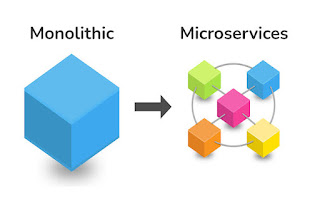
In a customary solid methodology, this multitude of modules would be firmly coupled, making it trying to scale and keep up with the application. Nonetheless, by utilizing microservices inside the SAP CAPM system, the organization can accomplish the accompanying:
1. Independently Foster Modules: Various groups can zero in on creating explicit microservices. For example, one group can deal with the item list microservice, one more on client validation, etc. This paces up improvement and takes into account equal work.
2. Scalability: During top shopping seasons, the request handling microservice can be scaled autonomously to deal with the expanded burden, without influencing different pieces of the application.
3. Ease of Maintenance: In the event that a bug is found in the shopping basket microservice, just that particular microservice should be refreshed, limiting the gamble of potentially negative results across the whole application.
4.Third-party Integrations: Coordinating with installment passages or transportation suppliers can be taken care of by committed microservices, each involving the most appropriate innovation for the errand.
Consolidating microservices inside the SAP CAPM system presents a strong way to deal with current application improvement. The adaptability, versatility, and nimbleness presented by microservices adjust well to the objectives of the CAPM system, bringing about more proficient, strong, and viable applications. As shown by our web based business use case, this approach enables advancement groups to make measured, superior execution arrangements that can adjust to changing business necessities effortlessly. By embracing microservices in SAP CAPM, ventures can situate themselves at the very front of advancement in the always developing scene of cloud-based application improvement.
